How medication improved daily life for Tristan’s eczema

Long-time ESC ambassador Tristan is no stranger to the challenges of living with eczema. Over the years, she cycled through various treatments and followed a strict skincare regimen. After a difficult flare-up, Tristan finally found relief through new treatment options. Discover her inspiring story of overcoming years of skin struggles and learning to embrace life with eczema.
Tristan shares, “I have lived with moderate-to-severe atopic dermatitis since birth. Every scar and mark I have is significant and represents overcoming trauma. It helped define who I am today – determined to keep moving forward, no matter what challenges I face, and advocating for people who need support in any way.
Growing up in the 1980s and 1990s, eczema care was routine. Bathing, corticosteroid cream, petroleum jelly, short nails, and soft, breathable clothing, followed by occasional trips to the hospital and prednisone when I had severe flare-ups. I developed other atopic conditions and was bullied because of my skin. So, my parents sent me to a psychiatrist when I was young, and I have seen mental health professionals throughout my life.
Since my 20s, I have experienced periods of remission, mild to moderate “everyday” eczema, and severe flare-ups that left me unable to work. The cycle of bathing, medicated creams, moisturizing, and the occasional prednisone prescription continued, though I refined the process and got better at keeping things under control. The regimen was everything and kept me moving forward until 2019.
Since I was in remission, I hadn’t seen a dermatologist for years. But in April 2019, my skin started to break down. The regimen wasn’t working anymore. By that fall, I was in severe pain, unable to sleep, and barely able to work or live my life. I was desperate. Moving, showering, and walking were excruciating. My entire body was covered in small, open sores, including the palms of my hands and soles of my feet. I couldn’t sit still because the itching was overwhelming.
I asked for a referral to a dermatologist clinic that I knew would see me quickly and specialize in skin of colour, since I’m of Indian descent. My best friend accompanied me, knowing I needed the emotional support. I had no idea what to expect, but I assumed it would be another corticosteroid cream and maybe some prednisone.
That first appointment with my new (and current) dermatologist was one of the happiest and most hopeful moments of my life. I literally cried tears of joy after the appointment. There was hope. My dermatologist prescribed creams and oral medication to get me back under control.
I was prescribed a new treatment that changed my life. Within a few weeks of starting treatment, the itching and eczema disappeared. I had my life back. I could get through work without constantly itching and scratching. I could take a shower without crying from the pain. I could sleep and focus. The severe depression lifted.
I was on that medication for over a year, but started to get flares again and had mild itching. I told my dermatologist, thinking she would say that I would have to deal with it, but instead she recommended a different systemic medication.
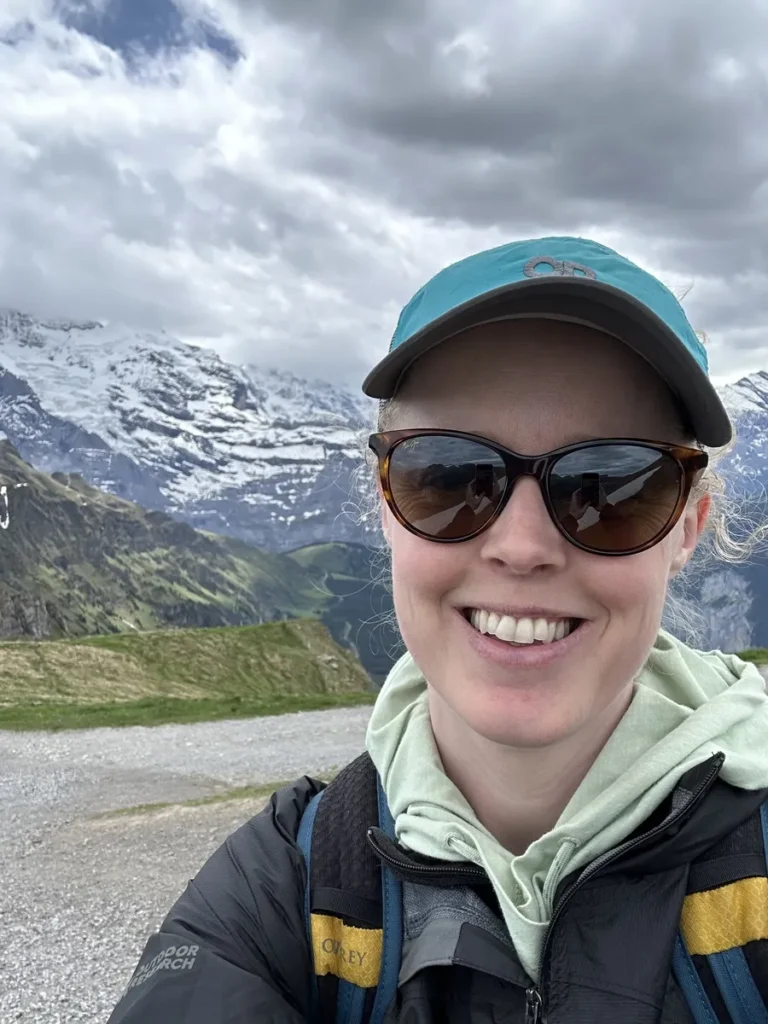
It was wonderful and exciting to know that there were treatment options for people like me who have tried so many treatments. Having my eczema under control allows me to do the things I love to do – including travel, which was difficult when my eczema was not controlled. Over the past two years, I’ve travelled internationally to visit family and within Canada to support wildfire evacuees. Good control of my eczema means I can live the life I want to live.
While the results feel “like magic”, the reality is science and hard work. I carefully and consistently maintain my skin health with my bathing routines and moisturizers. I still use medicated creams on areas when needed; moisturize consistently; use a mineral sunscreen daily; and remove makeup gently and thoroughly.
Every medication has side effects, so I get regular blood tests and I prioritize follow-ups with all my doctors, eating well, sleeping, exercising, and taking care of my other chronic health conditions.
I have also never stopped advocating. During one of my worst flares, I was with Eczema Society of Canada to create awareness for patient access to new medicines at the Ontario legislature. Most importantly, I make sure people know about Eczema Society of Canada, that eczema is no one’s fault, and there is hope for a good, meaningful life. After all, I’m living proof.”
ESC sincerely thanks Tristan for sharing her story. If you or your child is struggling with eczema and needs urgent care, go to your nearest emergency department.
April 2026